
There's a number Calgarians need to memorize, and it isn't the one they're angry about.
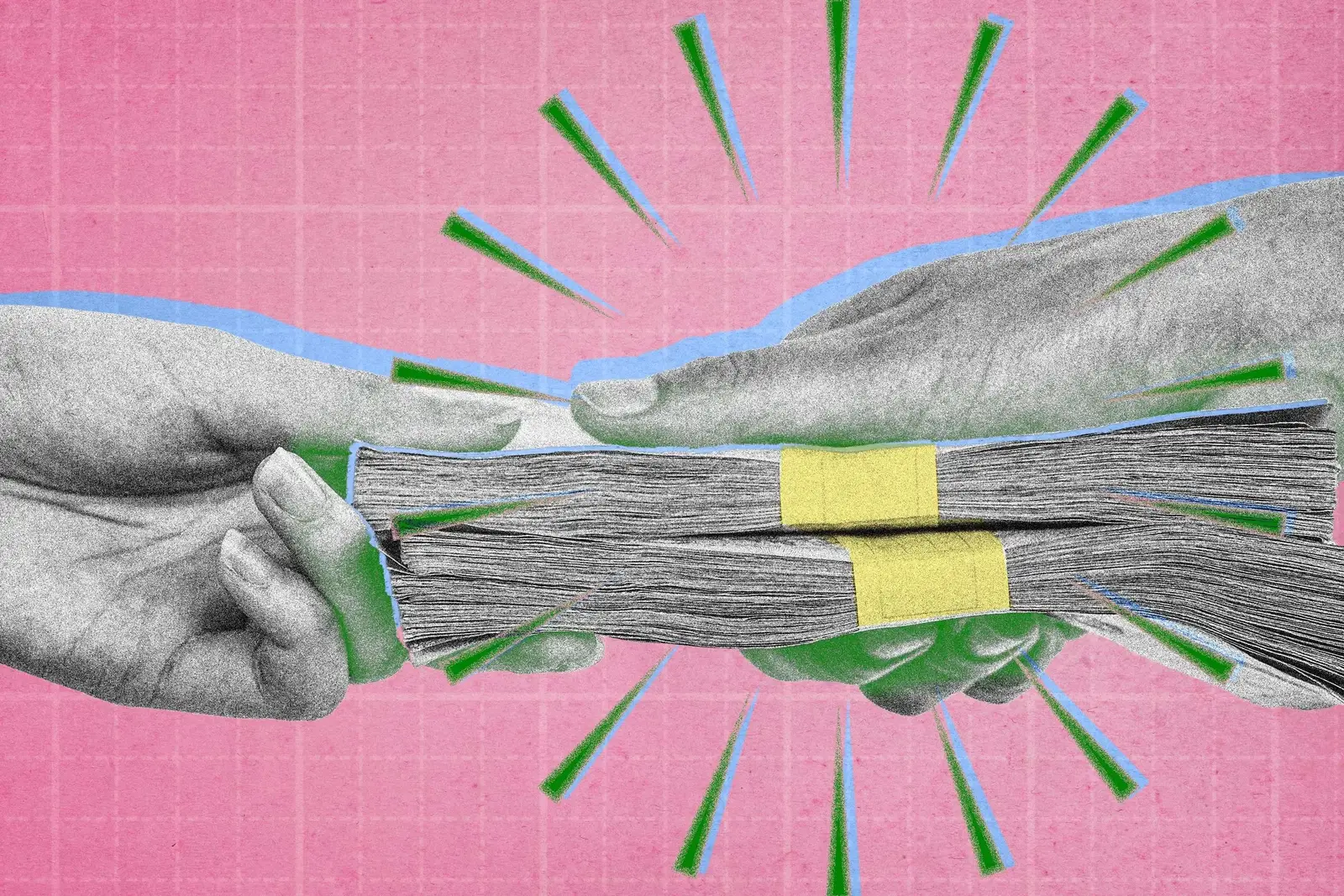
The city's 2026 property tax increase works out to approximately $4.50 per month for the typical homeowner. Council spent eight days and fifty amendments getting it there — slashing a proposed 3.6% increase down to 1.64%, pulling $60 million from reserves, and cancelling a decade-long tax shift policy in the process. Whether you think that was fiscal prudence or a sugar high, the number is the number: four dollars and fifty cents.
The province's education property tax increase, announced in the February 26 budget, adds roughly $28 per month to the same homeowner's bill. Calgary's annual provincial education requisition is climbing to approximately $1.2 billion — a 20% jump — driven by a provincial budget carrying a $9.4-billion deficit.
Twenty-eight dollars versus four-fifty. One gets the headlines. The other gets the blame.
The perception gap
Ask a random Calgarian who's raising their property taxes and most will point downward — at City Hall, at council, at the mayor. It's reflexive, and it's understandable. Municipal government is the level you can see. You drive past construction delays. You notice when the potholes aren't filled. You attend the public hearing about the development next door. The city is proximate in a way the province simply isn't.
But property tax bills in Alberta are a blended instrument. The municipal portion funds city services. The provincial education requisition funds schools — and it's set by Edmonton, not Calgary. When the province increases that requisition by 20%, every homeowner's total bill rises regardless of what council does. The city collects the cheque, but the province wrote the number.
This structural confusion benefits the province enormously. Premier Smith's government can increase the education levy by amounts that dwarf any municipal tax decision and face almost no political consequence, because most people don't read past the total on their tax notice. The anger flows downhill to the nearest visible government, which is always City Hall.
Farkas names it
Mayor Jeromy Farkas — a fiscal conservative who ran on spending restraint and who, in most contexts, would be a natural provincial ally — put it in terms that should have led every newscast in the province.
"We're getting very close, perilously close, to half of every property tax dollar being collected in Calgary going to the provincial government," Farkas said. "If property taxes are being jacked up for Calgarians and that money is being spent elsewhere, we're just seeing another version of equalization."
That last word is loaded, and Farkas knows it. "Equalization" is the term Albertans use when they want to express maximum grievance about federal transfers. Turning it inward — using it to describe the province's relationship with its own largest city — is a rhetorical move that tells you exactly where the new mayor thinks the real extraction is happening. It's not Ottawa. It's Edmonton.
Whether Farkas sustains this posture or retreats from it once the political costs become clear will be one of the defining questions of his mayoralty. Conservative mayors in Alberta don't traditionally pick fights with conservative premiers. But the math doesn't leave much room for politeness.
The budget behind the budget
The provincial deficit tells its own story. At $9.4 billion, it's the kind of number that forces hard choices downstream. The education requisition increase isn't arbitrary — Alberta is dealing with enrolment pressures, teacher shortages, and a school construction backlog that has been building for years. These are real costs driven by real demographic growth, and someone has to pay for them.
But the mechanism matters. Funding schools through property taxes creates a direct collision between provincial spending decisions and municipal political accountability. When the province needs more education money, it doesn't raise income taxes or sales taxes — instruments it controls directly and would have to defend publicly. It raises the education requisition, which shows up on property tax bills that most people associate with their city government. The political cost is externalized. The revenue is internalized.
This is not a new dynamic. But the scale is new. A 20% increase in a single year, landing on top of a city already navigating a water infrastructure crisis, a $200-million emergency pipe replacement, and $18 billion in deteriorating assets, changes the pressure equation. Every dollar the province takes through the education requisition is a dollar the city can't use for the services it's actually responsible for — roads, water, transit, emergency response, and yes, arts and culture funding.
The referendum question
There's another provincial decision heading Calgary's way. Premier Danielle Smith has announced an October 19, 2026 referendum that will include questions about limiting government benefits for non-permanent residents.
The specifics remain vague — deliberately so, in the way referendum questions are always vague when the goal is to generate a mandate rather than a policy. But the implications for Calgary are significant. This city's growth, its cultural dynamism, its economic diversification — all of it runs on immigration. Forty percent of Calgarians identify as visible minorities. The tech sector's 61% talent growth is driven substantially by international recruitment. The restaurants reshaping the food scene, the artists energizing the galleries, the entrepreneurs filling Platform Calgary's incubator — many of them are exactly the kind of people this referendum is designed to create anxiety for.
A referendum question that signals hostility toward non-permanent residents doesn't just affect policy. It affects perception. It tells the international talent pool that Alberta is open for business but ambivalent about the people who show up. In a global competition for skilled workers, ambivalence is a losing position.
What this means for the arts
The connection between provincial taxation and cultural funding isn't obvious, but it's direct. When the province takes a larger share of property tax revenue through the education requisition, it constrains the city's fiscal capacity. That constraint doesn't hit police budgets or road maintenance first — those are politically untouchable. It hits the discretionary line items: parks, recreation, community grants, and arts funding.
The City's 2026 Arts and Culture Microgrant program offers $1 million for community initiatives. Calgary Arts Development runs project grants, Indigenous arts programs, and the new Artist Development Microgrant. These are modest investments that produce outsized returns — every public mural, every community theatre production, every emerging musician who can afford to stay in Calgary instead of leaving for Toronto or Vancouver represents cultural infrastructure that can't be rebuilt once it's lost.
But when council is drawing $60 million from reserves to hold the line on a 1.64% increase while the province adds $28 a month through the back door, the pressure on discretionary spending only grows. The next budget will be harder. The one after that, harder still. And every year, the question of whether arts funding is "essential" or "nice to have" gets asked by people who have already decided on the answer.
Two numbers
Four dollars and fifty cents. Twenty-eight dollars.
One of these numbers was debated for eight days by a council that drew from reserves, cancelled long-standing policies, and agonized over every amendment. The other was announced in a provincial budget speech and will arrive on your tax bill without a public hearing, without a council vote, and without most people noticing where it came from.
The next time someone tells you the city is raising your taxes, ask them which city. Then ask them by how much. The answer might redirect the anger toward the level of government that actually earned it.
*The Chinook covers Calgary's arts, culture, and the politics that shape them.*